Your cart is empty

Continue shopping

ResoNix CCF Decoupler Sheet - Soft CCF with Adhesive Backing (13.5 Square Feet)

18 reviews

ResoNix CCF Decoupler 3S is a 3mm thick closed cell foam with an automotive-grade peel-and-stick backing. It’s perfect for tight-tolerance areas that need decoupling, cushioning, or gasketing to eliminate rattles or seal air gaps without adding bulk. Ideal for clean, low-profile installs where space is limited. Sheet size: 36″ x 54″ (13.5 sq ft).

$99.00

Thickness
Quantity Discount Price Per Item
2+ 5% off $94.05
4+ 10% off $89.10

Backordered, shipping soon

Customers who bought this also loved

WARNING

This item is on backorder. It will not ship until it is back in stock.

For orders in the US, all other items in your order will be shipped immediately, and backordered items will ship as soon as they are back in stock.

For international orders, all items will be shipped at the same time once all products are in stock.

       ResoNix CCF Decoupler is a thin, soft Closed Cell Foam, often referred to as CCF, or sound deadening foam, coming in at 3.2mm thick for the 3S, and 6.5mm for the 7S. These are used to decouple tighter tolerance panels from one another and act as a decoupler for noise barriers, such as Mass Loaded Vinyl or lead sheet. CCF Decoupler products feature an automotive-grade adhesive that makes it easy to install and ensures a lifetime-lasting hold.

       The primary purpose of CCF Decouplers are to prevent audible rattles caused by two panels vibrating against each other. It also reduces the amount of energy transferred from the body of the vehicle to your noise barrier, making the noise barrier more effective. This works by providing a soft, compliant substrate for the panels to transfer their energy into, rather than vibrating against a hard surface. 

       Essentially, the closed-cell foam provides a cushion of support between vibrating panels. What separates our closed cell foam products from the rest is primarily how soft and compressible it is while still maintaining high resilience to the automotive environment.

       Info regarding some older models that we used to offer: The S in 7S/3S stands for Soft, while the F in 3F stands for Firm. 7S is to be used where tolerances are relatively tight, yet you need decoupling. CCF3S and CCF3F is for where you have a tighter tolerances. CCF3F is still softer than most other foams on the automotive sound treatment market, but is just firmer than our CCF3S and CCF7S. CCF 3S is extremely soft and very thin and is for the areas that are of tightest tolerances in a vehicle.

       CCF sound deadening foam should be used as a spot treatment to eliminate panel-on-panel vibration noise in areas such as doors/door panels, rear decks, C, B, and C Pillars, and other various interior panels, as they are the main offenders of this type of noise. When doing aftermarket speaker installs, constrained layer damping alone may not be sufficient to achieve the desired results, as it does not decouple panels. This is where our CCF, Fiber Mat, Guardian, and other products come into play.

  • 3.2mm (0.126″) thickness for CCF Decoupler 3S
  • 6.5mm (0.256″) thickness for CCF Decoupler 7S
  • Sheet size: 54″ x 36″ (13.5 square feet)
  • Acrylic-based automotive-grade peel & stick adhesive backing
  • Designed for long-term durability in automotive environments
  • Does not absorb moisture or deform with age, pressure, or heat
  • Made in the USA

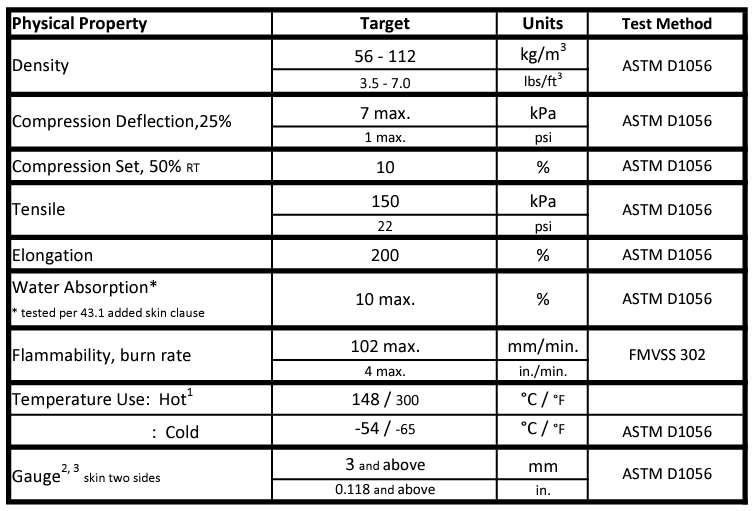
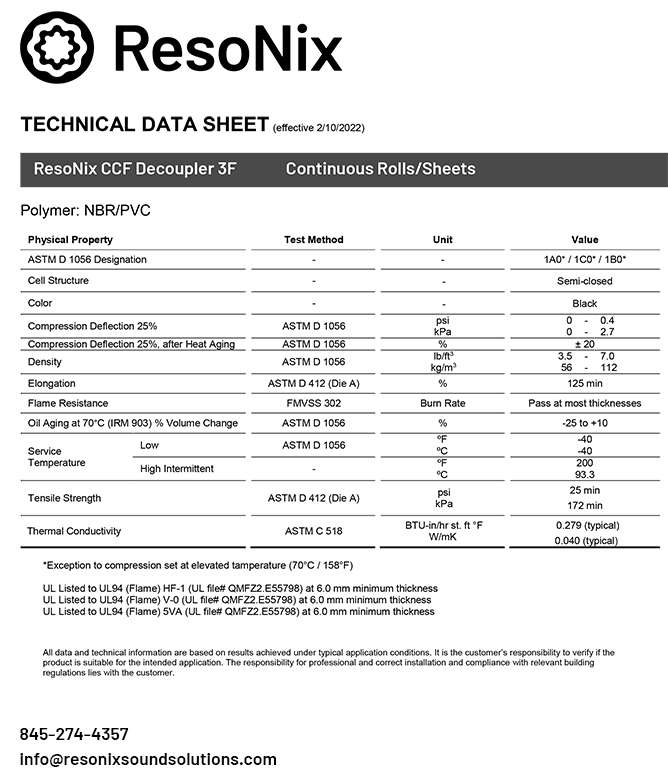
This file download contains:

  • Service temperature range
  • Compression set and deflection values
  • Flammability specification
  • Minimum shelf life
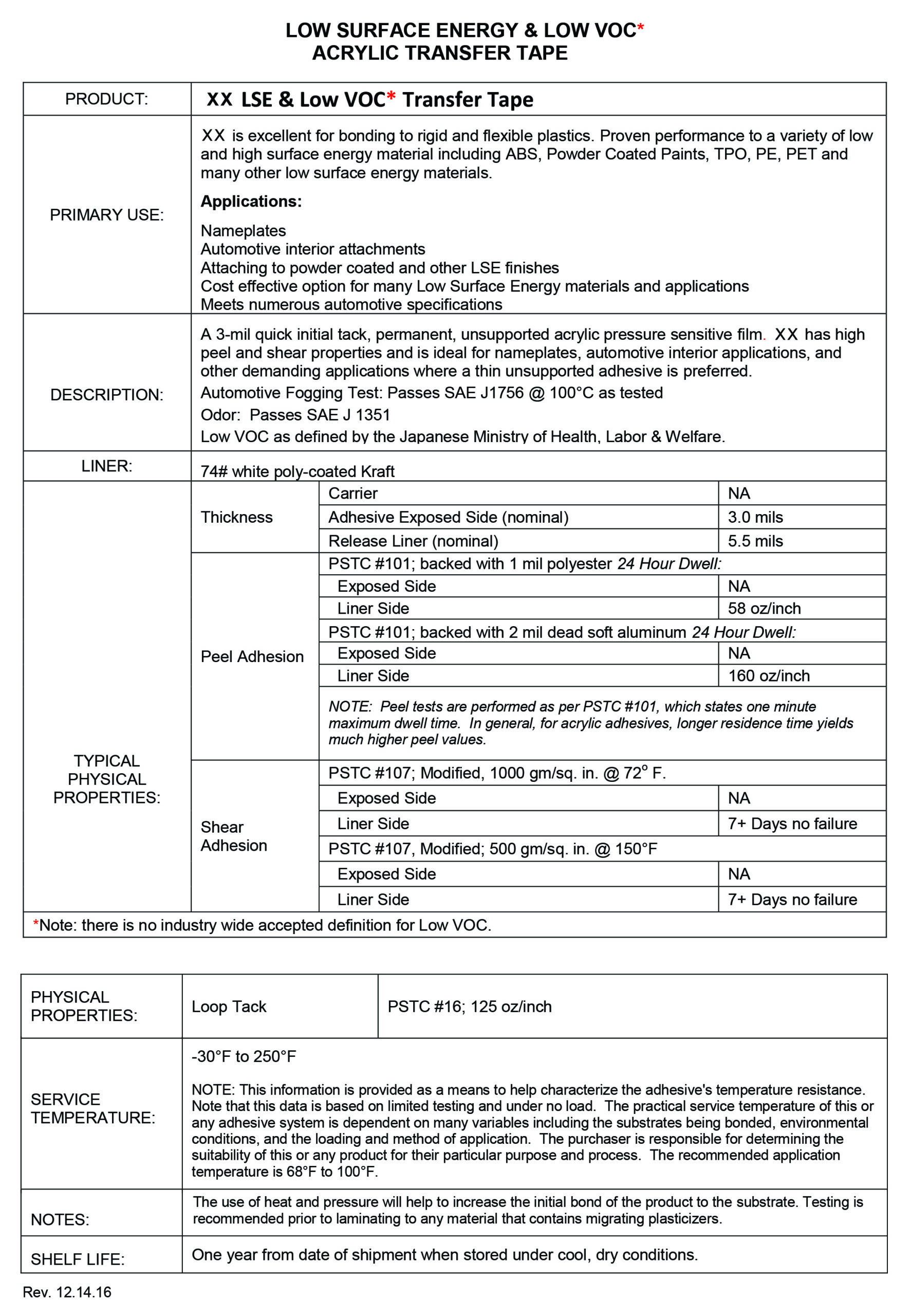
Download ResoNix CCF Decoupler Foams Technical Specification Sheets

       ResoNix CCF Decoupler is a thin, soft Closed Cell Foam, often referred to as CCF, or sound deadening foam, coming in at 3.2mm thick for the 3S, and 6.5mm for the 7S. These are used to decouple tighter tolerance panels from one another and act as a decoupler for noise barriers, such as Mass Loaded Vinyl or lead sheet. CCF Decoupler products feature an automotive-grade adhesive that makes it easy to install and ensures a lifetime-lasting hold.

       The primary purpose of CCF Decouplers are to prevent audible rattles caused by two panels vibrating against each other. It also reduces the amount of energy transferred from the body of the vehicle to your noise barrier, making the noise barrier more effective. This works by providing a soft, compliant substrate for the panels to transfer their energy into, rather than vibrating against a hard surface. 

       Essentially, the closed-cell foam provides a cushion of support between vibrating panels. What separates our closed cell foam products from the rest is primarily how soft and compressible it is while still maintaining high resilience to the automotive environment.

       Info regarding some older models that we used to offer: The S in 7S/3S stands for Soft, while the F in 3F stands for Firm. 7S is to be used where tolerances are relatively tight, yet you need decoupling. CCF3S and CCF3F is for where you have a tighter tolerances. CCF3F is still softer than most other foams on the automotive sound treatment market, but is just firmer than our CCF3S and CCF7S. CCF 3S is extremely soft and very thin and is for the areas that are of tightest tolerances in a vehicle.

       CCF sound deadening foam should be used as a spot treatment to eliminate panel-on-panel vibration noise in areas such as doors/door panels, rear decks, C, B, and C Pillars, and other various interior panels, as they are the main offenders of this type of noise. When doing aftermarket speaker installs, constrained layer damping alone may not be sufficient to achieve the desired results, as it does not decouple panels. This is where our CCF, Fiber Mat, Guardian, and other products come into play.

  • 3.2mm (0.126″) thickness for CCF Decoupler 3S
  • 6.5mm (0.256″) thickness for CCF Decoupler 7S
  • Sheet size: 54″ x 36″ (13.5 square feet)
  • Acrylic-based automotive-grade peel & stick adhesive backing
  • Designed for long-term durability in automotive environments
  • Does not absorb moisture or deform with age, pressure, or heat
  • Made in the USA

This file download contains:

  • Service temperature range
  • Compression set and deflection values
  • Flammability specification
  • Minimum shelf life
Download ResoNix CCF Decoupler Foams Technical Specification Sheets
Waveform graphic

Sound
Deadening
Buyer's Guide.

Read here

For more information:
www.resonixsoundsolutions.com

For questions:
Email: support@resonixsoundsolutions.com
Phone: (269) 737-6649
Address:
11 Holt Drive
Suite 123
Stony Point, NY 10980

ResoNix CCF Decoupler Sheet - Soft CCF with Adhesive Backing (13.5 Square Feet) vs. Others

Others

Compliant for a Reason

Most people don’t realize this type of product needs to be compliant enough to actually decouple panels.

Compliant for a Reason

The job of a decoupling foam is to isolate panels and allow energy to dissipate rather than transfer from one surface to another. To do this correctly, the foam must be compliant. The problem is, many installers and even brands don’t understand this. They assume stiffer foam is better, when in reality, stiffness defeats the purpose of a decoupler. Our ResoNix CCF 3S and 7S are specifically tuned to offer very low compression deflection, which is exactly what’s required for proper vibration isolation. This is based on real-world performance and proper material science.

Made for Automotive Sound Treatment

Designed specifically for isolating trim and supporting noise barriers in real vehicles.

Made for Automotive Sound Treatment

Most generic foams used in the sound deadening market are not designed for cars. They are pulled from unrelated industries where mechanical or thermal insulation is the primary goal, not acoustic decoupling. ResoNix CCF products are purpose-built for this application. They are optimized for panel fitment, vibration behavior, and environmental exposure seen in real automotive use. Whether you are eliminating door panel buzz or improving the performance of a noise barrier like MLV or lead sheet, our CCF is actually engineered to perform that task, not just rebranded from some cheap supplier catalog.

Tuned for the Right Mechanical Behavior

Formulated with the proper density, rebound, and flexibility for its job.

Tuned for the Right Mechanical Behavior

ResoNix CCF Decoupler foams are not just picked for thickness and feel. They are tuned for performance. Density, rebound speed, and flexibility are carefully chosen so the foam compresses under light panel pressure but springs back into shape without permanent deformation. This balance ensures consistent decoupling performance, reliable fitment, and minimal long-term change. Poor-quality foams often either compress and stay flattened, or are so stiff that they pass vibration straight through. Ours are engineered to land squarely in the sweet spot.

Dialed-In Compression Characteristics

Compresses and rebounds correctly for reliable decoupling performance.

Dialed-In Compression Characteristics

Compression deflection describes how much force is needed to compress the foam. For a decoupler to work properly, it must compress easily enough to form a seal between panels without adding stress, but not collapse completely and stop functioning. ResoNix CCF foams are tested to ensure they hit the ideal values. Most competing foams are way too stiff, or they compress once and never return to shape. Ours retain their behavior over time and continue to function exactly as intended.

Adhesive That Stays Put

Automotive-grade acrylic adhesive that will not peel, shift, or fail.

Adhesive That Stays Put

Our peel-and-stick adhesive is the same one used across the ResoNix product line and was selected specifically for automotive conditions. It bonds aggressively to common surfaces like metal, plastic, and painted panels, and stays put through hot summers, cold winters, moisture exposure, and vibration cycles. Most cheap foams use weak rubber adhesive or, worse, double-sided tape that starts peeling the moment temperatures fluctuate. Ours holds firm, no matter what.

Closed-Cell Formula Won’t Hold Water

No moisture absorption, mold, or decay.

Closed-Cell Formula Won’t Hold Water

Open-cell foams are completely wrong for automotive use. They soak up moisture, deform permanently, and eventually rot or grow mold. ResoNix CCF Decoupler uses a closed-cell structure that does not allow water to penetrate. It stays dry, resists breakdown, and performs consistently in any interior or cavity location. Whether it is a door panel, pillar trim, or rear deck, you will not have to worry about long-term reliability or smells from mildew.

Not Cheap Ensolite Knockoffs

We don’t rebrand stiff, generic insulator foams just to boost margins.

Not Cheap Ensolite Knockoffs

Most foam sold in the aftermarket is just rebranded ensolite or similar stiff industrial insulation. These foams are not compliant, not properly engineered for vibration isolation, and not suitable for decoupling panels. They are used because they are dirt cheap and easy to resell with a markup. We refuse to offer anything that does not actually do its job. ResoNix CCF Decoupler foams are real solutions to real problems, not off-the-shelf insulator sheets with a new sticker slapped on them.

More about ResoNix CCF Decoupler Sheet - Soft CCF with Adhesive Backing (13.5 Square Feet)

Areas of use

Interior door panels often sit loosely against the door frame or inner skin and are prone to rattling, especially when speakers are installed. Applying ResoNix CCF Decoupler between the panel and the structure helps eliminate these contact points by introducing a soft, compressible buffer. This reduces unwanted buzzes and vibration noise while improving overall cabin refinement and speaker performance.

Rear deck trim pieces can vibrate against underlying metal or adjacent plastic parts, especially with subwoofers installed. Placing ResoNix CCF Decoupler between these components prevents panel-on-panel contact, reducing resonance and eliminating distracting buzzes. This treatment helps maintain bass clarity and improves the listening environment in the rear half of the cabin.

Plastic trim around the dashboard and instrument cluster often creaks or rattles due to poor fitment and thermal expansion. Small strips or pieces of ResoNix CCF Decoupler can be used as gasketing material to create a snug, vibration-resistant interface between components, helping to eliminate squeaks and preserve the vehicle's interior acoustics.

Trim pieces that cover structural pillars can introduce rattles when they contact the metal body or neighboring trim. ResoNix CCF Decoupler creates a soft boundary that isolates these materials, preventing vibration and minimizing interior noise. This is particularly effective for vehicles with pillar-mounted tweeters or airbags that add complexity to the trim layout.

Interior plastics like kick panels, trunk side liners, and hatch trims can move slightly against metal or other plastic parts, causing audible rubbing or rattling. Spot treating these interfaces with ResoNix CCF Decoupler eliminates contact points and keeps these panels quiet, even on rough roads or during high-bass playback.

Center consoles and armrests often suffer from small gaps and inconsistent tolerances, leading to noise during vehicle operation. Using ResoNix CCF Decoupler as a thin gasket in contact-prone areas helps cushion movement, eliminate squeaks, and improve perceived build quality.

In certain cases, ResoNix CCF Decoupler can be used to isolate speaker baffles or adapters from the door or trim panel they are mounted to. This helps reduce energy transfer from the speaker into the surrounding structure and prevents secondary vibrations from distorting playback. It also helps seal the speaker for better acoustic loading and bass response.

Custom-mounted amplifier racks, switch panels, or fabricated subwoofer enclosures can all introduce new potential contact points that weren’t engineered by the OEM. ResoNix CCF Decoupler is ideal for lining contact surfaces in these installs to prevent vibration noise, improve stability, and preserve finish quality.

When using a dense noise barrier like mass-loaded vinyl (MLV), it’s critical to decouple it from the vehicle’s body to prevent direct energy transfer. ResoNix CCF Decoupler provides an effective interface layer, improving the performance of the noise barrier by reducing structure-borne vibration and keeping it acoustically isolated from the floor, firewall, or doors.

Areas where trim panels contact each other or overlap with other materials can create noise over time as they shift slightly. A thin layer of ResoNix CCF Decoupler between these contact points prevents rubbing, eliminates friction-induced noise, and helps maintain a quieter and more refined cabin.

For areas where air gaps or inconsistent panel fitment cause issues like whistling, vibration, or loose parts, ResoNix CCF Decoupler works well as a custom gasket. Its soft, closed-cell structure compresses easily while resisting permanent deformation, offering long-lasting sealing performance in tight spaces.

The lids and hinges of glove boxes, center consoles, and other storage compartments often create clicking or rattling sounds. Strategically applying small pieces of ResoNix CCF Decoupler can cushion movement, reduce noise during driving, and add a more solid feel to these components.

Interior panels on boats and yachts often contact structural fiberglass or metal surfaces, especially around cabinetry, access panels, and wall trim. These can vibrate or buzz as the hull flexes in choppy water. Applying ResoNix CCF Decoupler between these panels provides a soft, resilient cushion that prevents contact noise, improving the acoustic and tactile quality of the interior.

Thin hatches or access panels can rattle against their frames due to wave impact, engine vibration, or simple hull flex. ResoNix CCF Decoupler serves as an ideal gasket for these locations, offering reliable sealing without absorbing moisture. It also resists compression set, ensuring long-term performance in marine environments.

Interior trim pieces such as ceiling liners, wall coverings, or door panels often vibrate or click due to imperfect fitment or material movement over time. A thin layer of ResoNix CCF Decoupler installed at contact points eliminates these issues, resulting in a quieter, more refined cabin without compromising fit or finish.

Storage compartments, seating bases, or battery box lids can create annoying impact noise when closed or vibrate while underway. Adding ResoNix CCF Decoupler as a low-profile buffer between contact surfaces prevents these sounds while also offering a soft landing that protects finishes and improves usability.

Many types of commercial and industrial enclosures, including electrical panels, generator housings, and machinery covers, can buzz or rattle when mounted loosely or under load. ResoNix CCF Decoupler adds a soft, compliant layer at panel interfaces that prevents metal-on-metal contact and eliminates vibration noise in tight tolerance spots.

Metal partition panels, access doors, or wall-mounted plates on machines and workstations can rub or vibrate against surrounding structure during use. Applying ResoNix CCF Decoupler between these surfaces helps eliminate rattles without adding too much thickness.

In lighter gauge sheet metal panels used for non-structural covers or machine guards, even small amounts of vibration can create unwanted noise. ResoNix CCF Decoupler can be applied at panel-to-frame contact points to prevent movement, reduce rattle, and improve perceived equipment quality.

When small accessories, modules, or brackets are mounted to larger machines or surfaces, vibration transfer and impact noise can become an issue. ResoNix CCF Decoupler can be used as a cushion between surfaces to prevent ticking, shifting, or long-term abrasion.

Removable panels on industrial machinery can rattle against the frame or mounting brackets during operation. Applying ResoNix CCF Decoupler between these contact points prevents metal-on-metal noise while maintaining a tight fit in areas with limited clearance.

Mobile toolboxes, storage cabinets, and drawers in industrial environments often rattle from vibration or movement across shop floors. Adding ResoNix CCF Decoupler between drawers, doors, and frames creates a soft barrier that reduces noise without interfering with functionality.

In some installations, conduit or lightweight piping may contact walls, brackets, or equipment surfaces and cause rattling or buzzing. Wrapping small sections with ResoNix CCF Decoupler where contact occurs can eliminate noise without needing to re-run or reposition the hardware.

Small control modules, electronics, or brackets mounted to machinery can shift slightly under load or vibration. Using ResoNix CCF Decoupler between mounting surfaces provides a thin cushion that keeps components firmly in place and eliminates ticking or rubbing sounds.

Aircraft interior panels, such as ceiling panels, window surrounds, and sidewall trim, often vibrate or shift slightly during flight or turbulence. Applying ResoNix CCF Decoupler between trim and structure eliminates contact noise and keeps components from rubbing or buzzing over time.

Removable panels for avionics bays, storage compartments, or service access areas can create ticking or rattle sounds from slight movement in flight. ResoNix CCF Decoupler acts as a thin gasket to absorb vibration and maintain quiet operation without interfering with secure closure.

Small brackets, clips, and hardware mounts used throughout an aircraft interior can loosen slightly over time and begin to rattle. Placing ResoNix CCF Decoupler at contact points isolates vibration and eliminates metallic ticking noises without adding excessive material thickness.

Passenger seating modules, dividers, and lavatory structures can develop vibration-related noise at mounting or contact points. In tight tolerance areas, ResoNix CCF Decoupler provides a compliant, stable interface that prevents hard contact and reduces sound transfer between components.

Lightweight floor panels or removable covers over wiring channels and service pathways may shift during flight, especially under vibration. Applying ResoNix CCF Decoupler at edges or mounting points eliminates this movement and prevents noise from developing in high-traffic cabin areas.
FAQ

ResoNix CCF Decoupler Sheets and Tape are high-quality closed-cell foam products designed to prevent vibrations and rattles between panels in vehicles. They serve as a cushioning layer that isolates panels from each other, reducing noise from panel-on-panel vibration and buzzes, and enhancing the effectiveness of sound barriers. These products feature an automotive-grade adhesive backing, making them easy to install and ensuring they remain securely in place over time.

As of March 2025, Only CCF Decoupler 3S is available in a sheet form. Though, the other versions are still available in our CCF Tape.

The primary differences among the 3F, 3S, and 7S versions are their thickness and firmness. The 3F is a 3mm thick foam that is more firm, suitable for areas requiring additional structural support. The 3S is also 3mm thick but is a softer foam, ideal for tight spaces needing gentle cushioning. The 7S is a 7mm thick soft foam, providing extra cushioning for areas with looser tolerances where more thickness can be accommodated.

Choosing the right version depends on your specific application and the space available. For very tight areas where minimal thickness is essential, the 3S soft foam is recommended due to its thinness and softness. If you need some structural support in tight spaces, the 3F firm foam is a good choice. For areas with more room and looser tolerances, the 7S soft foam offers additional cushioning with its greater thickness.

These products are primarily used to prevent audible rattles caused by panels vibrating against each other in vehicles. Common applications include doors and door panels smaller trim pieces, rear decks smaller trim pieces, dash trim, pillars, and various small and tight tolerance interior panels. They are also used to decouple noise barriers, such as mass-loaded vinyl, enhancing their effectiveness by reducing energy transfer from the vehicle’s body.

The foam acts as a cushioning layer between two surfaces, isolating them from direct contact. By providing a soft and compliant substrate, it absorbs and dissipates vibrations, preventing panels from vibrating against each other. This reduces noise caused by rattling and improves the overall acoustic performance of the vehicle.

Yes, ResoNix CCF Decoupler products are designed to be effective even in tight tolerance areas. The 3mm versions, both the soft (3S) and firm (3F) foams, are particularly suitable for spaces with limited clearance where a thin yet effective decoupling layer is needed.

Installation is straightforward due to the peel-and-stick automotive-grade adhesive backing. Simply cut the foam to the desired shape and size, peel off the backing paper, and apply it to a clean surface. The adhesive is very strong, so it’s important to position the foam carefully, as it will adhere firmly upon contact.

Compression deflection measures the foam’s firmness, indicating how much pressure is needed to compress it by a certain percentage. A lower value means the foam is softer. Compression set refers to the foam’s ability to return to its original thickness after being compressed. Low compression set values mean the foam maintains its shape over time. These properties are important for effective decoupling, ensuring the foam provides consistent cushioning without becoming permanently compressed.

ResoNix CCF Decoupler Foams have a very specific set of these specifications that are perfect for our use case in aftermarket automotive installations. In comparison, pretty much every other foam sold to this market is much stiffer and is not ideal in any way for our uses, but its very cheap and easy to make a lot of profit on for those other companies. Good for them, but we prefer to stick with offering something that puts performance and functionality as the most important aspects of our products :)

An automotive-grade acrylic-based peel-and-stick adhesive is used, ensuring a strong and lasting bond even in demanding automotive environments. This adhesive is designed to withstand temperature fluctuations and maintain adhesion over time. Please note, the adhesive is VERY strong. Be careful and move with intent when installing these products.Can ResoNix CCF Decoupler products handle extreme temperatures?

Yes, these products are engineered to perform across a wide temperature range. The soft foam versions (7S and 3S) are rated for use from -65°F up to 300°F, while the firm foam (3F) is suitable from -40°F to 200°F, all per ASTM D1056 testing standards. This makes them appropriate for various automotive applications where temperature extremes may occur.

Yes, the foam used in these products meets flammability standards for automotive applications. The soft foam versions comply with the FMVSS 302 standard, with a maximum burn rate of 4 inches per minute. The firm foam also passes flammability tests for the specified thicknesses under FMVSS 302.

ResoNix CCF Decoupler products are designed with optimal compression deflection and compression set specifications, making them more effective at decoupling panels than many other foams. Unlike the very popular and common cheap ensolite foams that plague the automotive sound deadening market, which are stiff and very non-compliant, ResoNix foams provide the right balance of softness and structural support. Additionally, being closed-cell foam, they do not absorb moisture like open-cell foams, preventing issues with mold and mildew.

Absolutely. These decoupling products can be used in conjunction with other sound-deadening materials such as constrained layer damping sheets, noise barriers, and fiber mats. By combining different materials, you can achieve comprehensive sound treatment and address various sources of noise and vibration in your vehicle. Read about our suggestions in the ResoNix Buyers Guide article.

Closed-cell foam consists of cells that are completely enclosed and not interconnected, making it resistant to water absorption and providing better structural support. Open-cell foam has interconnected cells that can absorb moisture. In automotive applications, closed-cell foam is preferred because it does not retain water, preventing mold and mildew growth, and provides better decoupling properties.

No, since it is made from closed-cell foam, it does not absorb moisture. This characteristic makes it suitable for automotive environments where exposure to moisture can be a concern. Using closed-cell foam helps prevent mold, mildew, and degradation over time.

The thickness varies depending on the version. The 3S and 3F foams are both approximately 3.2mm thick, suitable for tight spaces. The 7S foam is about 6.5mm thick, providing extra cushioning for areas where more thickness can be accommodated.

Yes, these products are ideal for use in speaker installations to prevent vibrations and rattles. The firm foam (3F) is particularly suitable for sealing speakers to baffles, and sealing said baffles to panels, or for use under heavier components like amplifier racks, providing both decoupling and necessary structural support.

Yes, these products are designed for longevity in automotive environments. The closed-cell foam is resistant to moisture and temperature fluctuations, and the adhesive backing ensures a secure bond. This durability means that once installed, the decoupler will continue to perform effectively over time.

The sheets are available in sizes of 54 inches by 36 inches for the sheets, providing 13.5 square feet of material. The tape versions vary: the 3S soft tape is 3mm thick, 0.75 inches wide, and 40 feet long; the 3F firm tape is 3mm thick, 0.75 inches wide, and 50 feet long; and the 7S soft tape is 7mm thick, 1 inch wide, and 20 feet long.

Yes, all ResoNix CCF Decoupler products, and all of our other sound treatment products are made in America, ensuring high quality and supporting domestic manufacturing.

Yes, ResoNix CCF Decoupler products can be used alongside Fiber Mat products. While Fiber Mat is recommended for areas where it can fit due to its superior decoupling properties, the CCF Decoupler is ideal for tight spaces where the Fiber Mat may not be suitable. Combining these products (not one on top of the other, but using them along side each other for different tolerance areas) allows you to achieve optimal sound treatment throughout your vehicle.

ResoNix CCF Decoupler products offer superior performance due to their optimal balance of softness and structural support. They are more compliant than many other foams, providing better decoupling without adding excessive thickness. The closed-cell foam does not absorb moisture, preventing mold and mildew issues. Additionally, the strong adhesive backing and ease of installation make them a practical choice for both professionals and DIY enthusiasts.

Get in touch!

Need further guidance or have questions? See below for more ways to get in contact and view resources.