ResoNix CCF Decoupler Tape - Sound Deadening Foam Tape
11 reviews
ResoNix CCF Decoupler Tapes are closed cell foam with an automotive-grade peel-and-stick backing, formed into easy-to-use rolls. Ideal for tight tolerance areas that need decoupling, cushioning, or gasketing to stop rattles or seal air gaps. Available in three versions: 3mm Soft (0.75″ x 40′), 3mm Firm (0.75″ x 50′), and 7mm Soft (1″ x 20′). Perfect for clean, low-profile installs where space is limited.
$40.00
- CCF Decoupler 3S Tape
- Thickness: 3.2mm (0.126″)
- Width: 0.75″
- Length: 40 feet
- Soft formulation for tight tolerance decoupling
- CCF Decoupler 3F Tape
- Thickness: 3.2mm (0.126″)
- Width: 0.75″
- Length: 50 feet
- Firmer formulation for structural support and gasketing
- CCF Decoupler 7S Tape
- Thickness: 6.5mm (0.256″)
- Width: 1″
- Length: 20 feet
- Soft formulation for looser tolerance areas
- All versions feature acrylic-based automotive-grade peel & stick adhesive backing
- Resists moisture, heat, and degradation in automotive environments
- Designed for long-term durability and effective decoupling
- Made in the USA
We get emails regarding this often. The problem is, every application and situation is different. Every panel is different, every car is different, and everyone’s end goals are different. With our ResoNix Sound Deadening Reference Information & Guide section, as well as our ResoNix Sound Deadening Buyers Guide, we try to give you as much information as possible in order to help you make the most informed decision possible.
This file download contains:
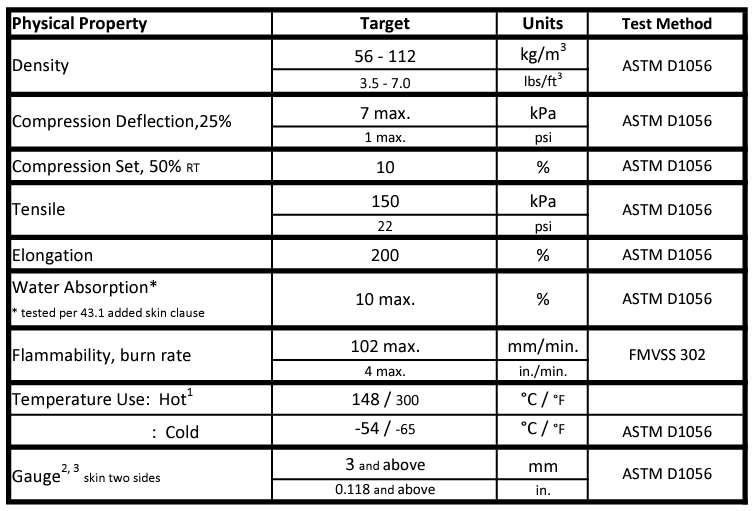
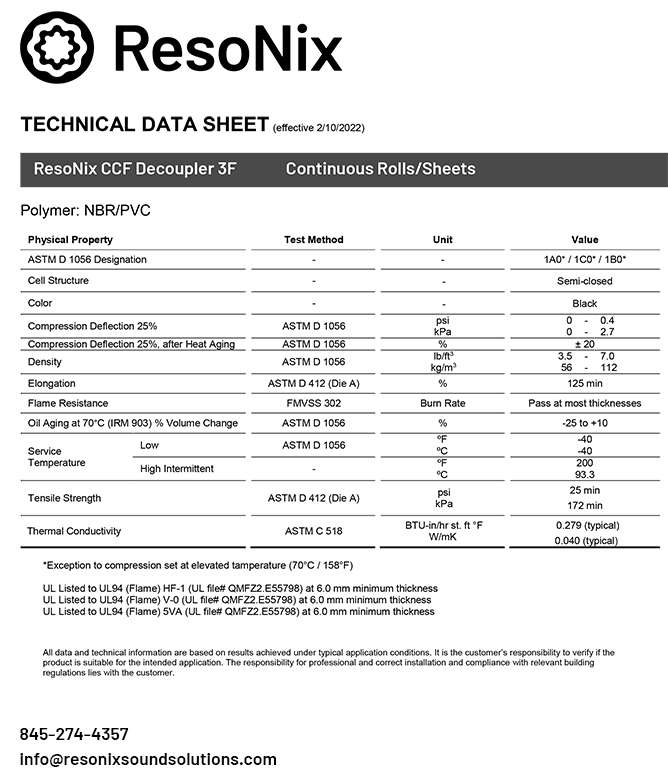
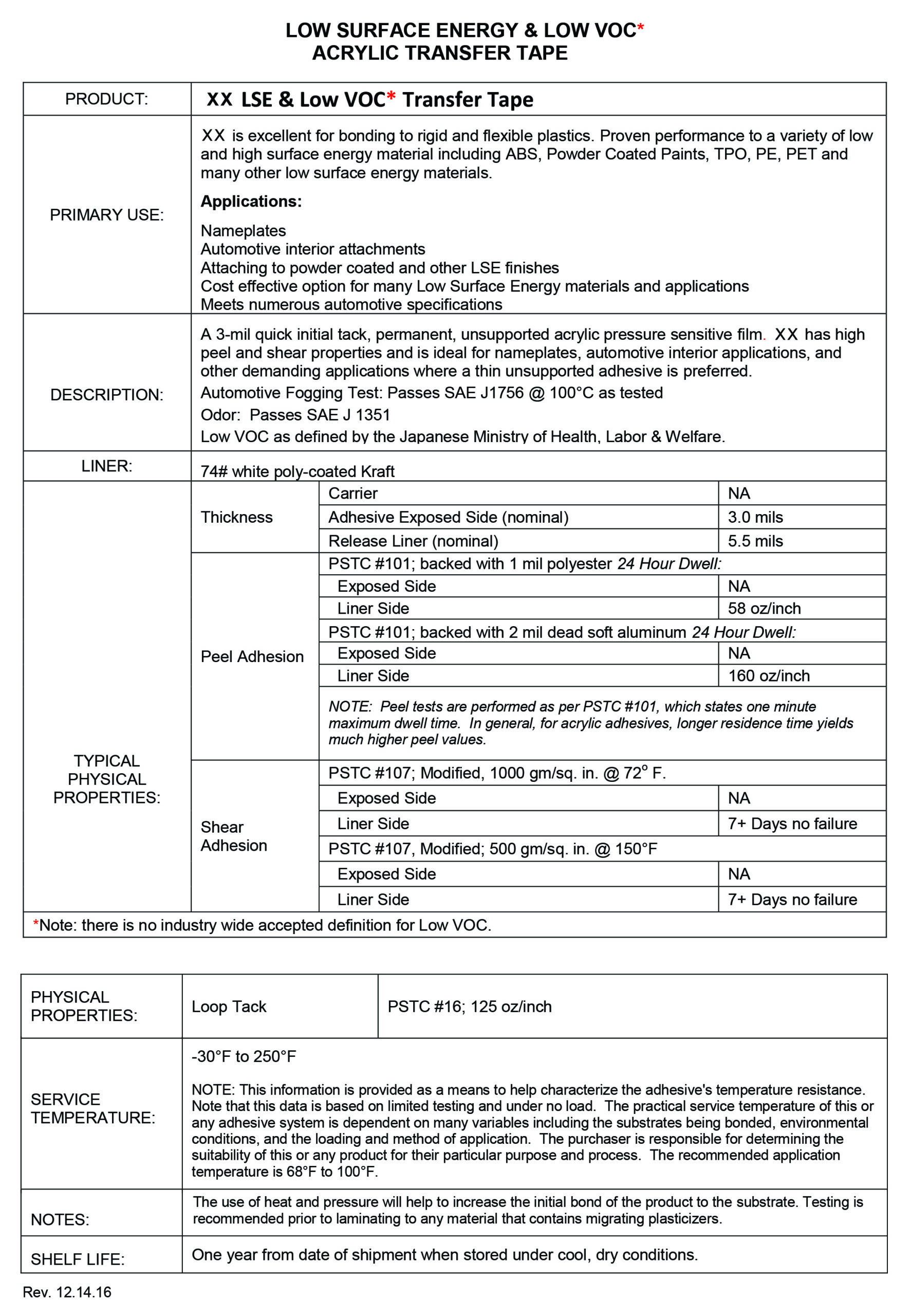
- Service temperature range
- Compression set and deflection values
- Flammability specification
- Minimum shelf life
- CCF Decoupler 3S Tape
- Thickness: 3.2mm (0.126″)
- Width: 0.75″
- Length: 40 feet
- Soft formulation for tight tolerance decoupling
- CCF Decoupler 3F Tape
- Thickness: 3.2mm (0.126″)
- Width: 0.75″
- Length: 50 feet
- Firmer formulation for structural support and gasketing
- CCF Decoupler 7S Tape
- Thickness: 6.5mm (0.256″)
- Width: 1″
- Length: 20 feet
- Soft formulation for looser tolerance areas
- All versions feature acrylic-based automotive-grade peel & stick adhesive backing
- Resists moisture, heat, and degradation in automotive environments
- Designed for long-term durability and effective decoupling
- Made in the USA
We get emails regarding this often. The problem is, every application and situation is different. Every panel is different, every car is different, and everyone’s end goals are different. With our ResoNix Sound Deadening Reference Information & Guide section, as well as our ResoNix Sound Deadening Buyers Guide, we try to give you as much information as possible in order to help you make the most informed decision possible.
This file download contains:
- Service temperature range
- Compression set and deflection values
- Flammability specification
- Minimum shelf life

Sound
Deadening
Buyer's Guide.
For more information:
www.resonixsoundsolutions.com
For questions:
Email: support@resonixsoundsolutions.com
Phone: (269) 737-6649
Address:
11 Holt Drive
Suite 123
Stony Point, NY 10980
ResoNix CCF Decoupler Tape - Sound Deadening Foam Tape vs. Others
More about ResoNix CCF Decoupler Tape - Sound Deadening Foam Tape
Areas of use
Interior door panels often sit loosely against the door frame or inner skin and are prone to rattling, especially when speakers are installed. Applying ResoNix CCF Decoupler between the panel and the structure helps eliminate these contact points by introducing a soft, compressible buffer. This reduces unwanted buzzes and vibration noise while improving overall cabin refinement and speaker performance.
Rear deck trim pieces can vibrate against underlying metal or adjacent plastic parts, especially with subwoofers installed. Placing ResoNix CCF Decoupler between these components prevents panel-on-panel contact, reducing resonance and eliminating distracting buzzes. This treatment helps maintain bass clarity and improves the listening environment in the rear half of the cabin.
Plastic trim around the dashboard and instrument cluster often creaks or rattles due to poor fitment and thermal expansion. Small strips or pieces of ResoNix CCF Decoupler can be used as gasketing material to create a snug, vibration-resistant interface between components, helping to eliminate squeaks and preserve the vehicle's interior acoustics.
Trim pieces that cover structural pillars can introduce rattles when they contact the metal body or neighboring trim. ResoNix CCF Decoupler creates a soft boundary that isolates these materials, preventing vibration and minimizing interior noise. This is particularly effective for vehicles with pillar-mounted tweeters or airbags that add complexity to the trim layout.
Interior plastics like kick panels, trunk side liners, and hatch trims can move slightly against metal or other plastic parts, causing audible rubbing or rattling. Spot treating these interfaces with ResoNix CCF Decoupler eliminates contact points and keeps these panels quiet, even on rough roads or during high-bass playback.
Center consoles and armrests often suffer from small gaps and inconsistent tolerances, leading to noise during vehicle operation. Using ResoNix CCF Decoupler as a thin gasket in contact-prone areas helps cushion movement, eliminate squeaks, and improve perceived build quality.
In certain cases, ResoNix CCF Decoupler can be used to isolate speaker baffles or adapters from the door or trim panel they are mounted to. This helps reduce energy transfer from the speaker into the surrounding structure and prevents secondary vibrations from distorting playback. It also helps seal the speaker for better acoustic loading and bass response.
Custom-mounted amplifier racks, switch panels, or fabricated subwoofer enclosures can all introduce new potential contact points that weren’t engineered by the OEM. ResoNix CCF Decoupler is ideal for lining contact surfaces in these installs to prevent vibration noise, improve stability, and preserve finish quality.
When using a dense noise barrier like mass-loaded vinyl (MLV), it’s critical to decouple it from the vehicle’s body to prevent direct energy transfer. ResoNix CCF Decoupler provides an effective interface layer, improving the performance of the noise barrier by reducing structure-borne vibration and keeping it acoustically isolated from the floor, firewall, or doors.
Areas where trim panels contact each other or overlap with other materials can create noise over time as they shift slightly. A thin layer of ResoNix CCF Decoupler between these contact points prevents rubbing, eliminates friction-induced noise, and helps maintain a quieter and more refined cabin.
For areas where air gaps or inconsistent panel fitment cause issues like whistling, vibration, or loose parts, ResoNix CCF Decoupler works well as a custom gasket. Its soft, closed-cell structure compresses easily while resisting permanent deformation, offering long-lasting sealing performance in tight spaces.
The lids and hinges of glove boxes, center consoles, and other storage compartments often create clicking or rattling sounds. Strategically applying small pieces of ResoNix CCF Decoupler can cushion movement, reduce noise during driving, and add a more solid feel to these components.
Interior panels on boats and yachts often contact structural fiberglass or metal surfaces, especially around cabinetry, access panels, and wall trim. These can vibrate or buzz as the hull flexes in choppy water. Applying ResoNix CCF Decoupler between these panels provides a soft, resilient cushion that prevents contact noise, improving the acoustic and tactile quality of the interior.
Thin hatches or access panels can rattle against their frames due to wave impact, engine vibration, or simple hull flex. ResoNix CCF Decoupler serves as an ideal gasket for these locations, offering reliable sealing without absorbing moisture. It also resists compression set, ensuring long-term performance in marine environments.
Interior trim pieces such as ceiling liners, wall coverings, or door panels often vibrate or click due to imperfect fitment or material movement over time. A thin layer of ResoNix CCF Decoupler installed at contact points eliminates these issues, resulting in a quieter, more refined cabin without compromising fit or finish.
Storage compartments, seating bases, or battery box lids can create annoying impact noise when closed or vibrate while underway. Adding ResoNix CCF Decoupler as a low-profile buffer between contact surfaces prevents these sounds while also offering a soft landing that protects finishes and improves usability.
Many types of commercial and industrial enclosures, including electrical panels, generator housings, and machinery covers, can buzz or rattle when mounted loosely or under load. ResoNix CCF Decoupler adds a soft, compliant layer at panel interfaces that prevents metal-on-metal contact and eliminates vibration noise in tight tolerance spots.
Metal partition panels, access doors, or wall-mounted plates on machines and workstations can rub or vibrate against surrounding structure during use. Applying ResoNix CCF Decoupler between these surfaces helps eliminate rattles without adding too much thickness.
In lighter gauge sheet metal panels used for non-structural covers or machine guards, even small amounts of vibration can create unwanted noise. ResoNix CCF Decoupler can be applied at panel-to-frame contact points to prevent movement, reduce rattle, and improve perceived equipment quality.
When small accessories, modules, or brackets are mounted to larger machines or surfaces, vibration transfer and impact noise can become an issue. ResoNix CCF Decoupler can be used as a cushion between surfaces to prevent ticking, shifting, or long-term abrasion.
Removable panels on industrial machinery can rattle against the frame or mounting brackets during operation. Applying ResoNix CCF Decoupler between these contact points prevents metal-on-metal noise while maintaining a tight fit in areas with limited clearance.
Mobile toolboxes, storage cabinets, and drawers in industrial environments often rattle from vibration or movement across shop floors. Adding ResoNix CCF Decoupler between drawers, doors, and frames creates a soft barrier that reduces noise without interfering with functionality.
In some installations, conduit or lightweight piping may contact walls, brackets, or equipment surfaces and cause rattling or buzzing. Wrapping small sections with ResoNix CCF Decoupler where contact occurs can eliminate noise without needing to re-run or reposition the hardware.
Small control modules, electronics, or brackets mounted to machinery can shift slightly under load or vibration. Using ResoNix CCF Decoupler between mounting surfaces provides a thin cushion that keeps components firmly in place and eliminates ticking or rubbing sounds.
Aircraft interior panels, such as ceiling panels, window surrounds, and sidewall trim, often vibrate or shift slightly during flight or turbulence. Applying ResoNix CCF Decoupler between trim and structure eliminates contact noise and keeps components from rubbing or buzzing over time.
Removable panels for avionics bays, storage compartments, or service access areas can create ticking or rattle sounds from slight movement in flight. ResoNix CCF Decoupler acts as a thin gasket to absorb vibration and maintain quiet operation without interfering with secure closure.
Small brackets, clips, and hardware mounts used throughout an aircraft interior can loosen slightly over time and begin to rattle. Placing ResoNix CCF Decoupler at contact points isolates vibration and eliminates metallic ticking noises without adding excessive material thickness.
Passenger seating modules, dividers, and lavatory structures can develop vibration-related noise at mounting or contact points. In tight tolerance areas, ResoNix CCF Decoupler provides a compliant, stable interface that prevents hard contact and reduces sound transfer between components.
Lightweight floor panels or removable covers over wiring channels and service pathways may shift during flight, especially under vibration. Applying ResoNix CCF Decoupler at edges or mounting points eliminates this movement and prevents noise from developing in high-traffic cabin areas.